Longshan Culture
Introduction
The Longshan Culture represents a significant phase in the late Neolithic period of Chinese prehistory, dating back approximately 4,000 to 4,600 years ago. Named after its discovery in Longshan village, Jinan city, Shandong province in 1928, this culture flourished along the middle and lower reaches of the Yellow River. It is distinguished by its sophisticated developments in pottery, architecture and other artifacts, signaling a transition from primitive society to a more advanced and organized civilization. This culture is primarily associated with the emergence of early state societies in China, marked by a high degree of social stratification and technological innovation.
History and Discovery
The Longshan Culture was first identified in 1928 by prominent archaeologist, Wu Jinding, who discovered the black pottery characteristic of this culture at Longshan village. Following this initial discovery, extensive excavations revealed a wealth of information about this period, highlighting the significant social and technological changes that occurred during this time. Important archaeological sites associated with Longshan Culture include the Houchengzui stone city in Inner Mongolia, Shizhuang Site in Henan province, and settlement sites in Shandong province. These discoveries have provided valuable insights into the settlement patterns, social structures, and cultural practices of the people who lived during this time.
Geographical Distribution
The Longshan Culture predominantly occupied the middle and lower reaches of the Yellow River, encompassing regions that are now part of the modern provinces of Shandong, Henan, Shanxi and Shaanxi. This area's geographical significance provided fertile land and ample resources, supporting the growth of settlements and the development of complex societies. Sites such as the Houchengzui stone city in Inner Mongolia and the Pingliangtai Ancient City ruins in Henan highlight the extensive reach and influence of Longshan Culture across northern China.
Characteristics
Pottery
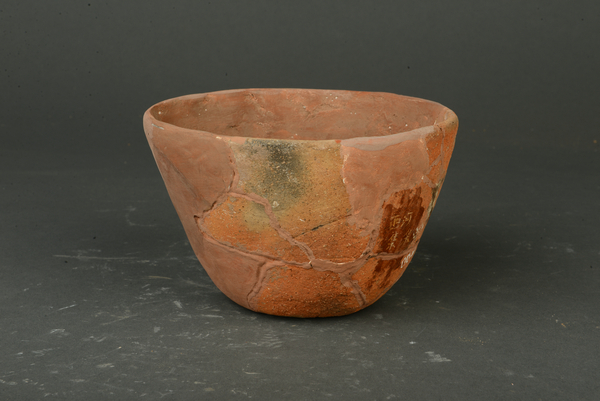
Longshan Culture is particularly renowned for its black pottery, which is considered one of the defining features of this period. The pottery is characterized by its egg-shell thinness and is often decorated with intricate patterns and shapes, demonstrating advanced techniques and artistic sensibilities. These pottery pieces served both practical and ceremonial purposes, reflecting the social and cultural values of the Longshan people.
Architecture
Architectural advancements during the Longshan period include the development of fortified structures, as evidenced by the city walls, gates, and platforms found at the Houchengzui stone city site. These constructions indicate a complex understanding of urban planning and defense, suggesting the presence of organized governance and social hierarchy. The discovery of circular granary foundations at sites like Huaiyang in Henan province further illustrates the architectural ingenuity of the Longshan people.
Tools and Artifacts
The Longshan Culture produced a variety of tools and artifacts made from stone, bone and jade, highlighting their technological prowess. The jade artifacts, in particular, reflect the high level of craftsmanship and artistic expression achieved during this time. These items were not only utilitarian but also served as indicators of social status and were often used in ritualistic contexts. The discovery of early pottery drain pipes in the Pingliangtai Ancient City ruins suggests a sophisticated understanding of public infrastructure and urban development.
Society and Economy
The social structure of the Longshan Culture was highly stratified, with evidence pointing to the existence of an elite class that held significant power and influence. This is supported by the discovery of larger and more elaborate tombs for certain individuals, as well as the presence of costly artifacts such as jade and pottery within these burials. The economy of the Longshan Culture was primarily agrarian, with millet as the staple crop. The development of agriculture allowed for surplus production, which in turn supported population growth and the emergence of specialized crafts and trades.
Burial Practices
The burial practices of Longshan Culture provide important insights into the social and religious beliefs of the time. Burials were often elaborate, with grave goods such as pottery, jade and other artifacts placed alongside the deceased to accompany them in the afterlife. The presence of damage to some artifacts and remains suggests possible power struggles or ritualistic practices associated with burials. The orientation and placement of graves indicate a complex belief system regarding death and the afterlife.
Influence and Legacy
The Longshan Culture laid the groundwork for many subsequent cultural and technological developments in ancient China. Its influence is evident in the continuity of pottery styles, architectural techniques, and social structures observed in later periods, such as the Xia Dynasty (c. 21st century-16th century BC). The cultural practices and technological innovations of the Longshan people contributed to the broader tapestry of ancient Chinese civilization, playing a crucial role in the evolution of early state societies in the region.
Research and Studies
Ongoing research and archaeological excavations continue to uncover new information about the Longshan Culture, enriching our understanding of this pivotal period in Chinese prehistory. Studies focus on various aspects, including social organization, technological innovation and cultural practices. Collaborative research efforts with institutions such as the Henan Provincial Institute of Cultural Relics and Archaeology and Peking University have been instrumental in advancing knowledge of the Longshan Culture.








